Trek Gallery
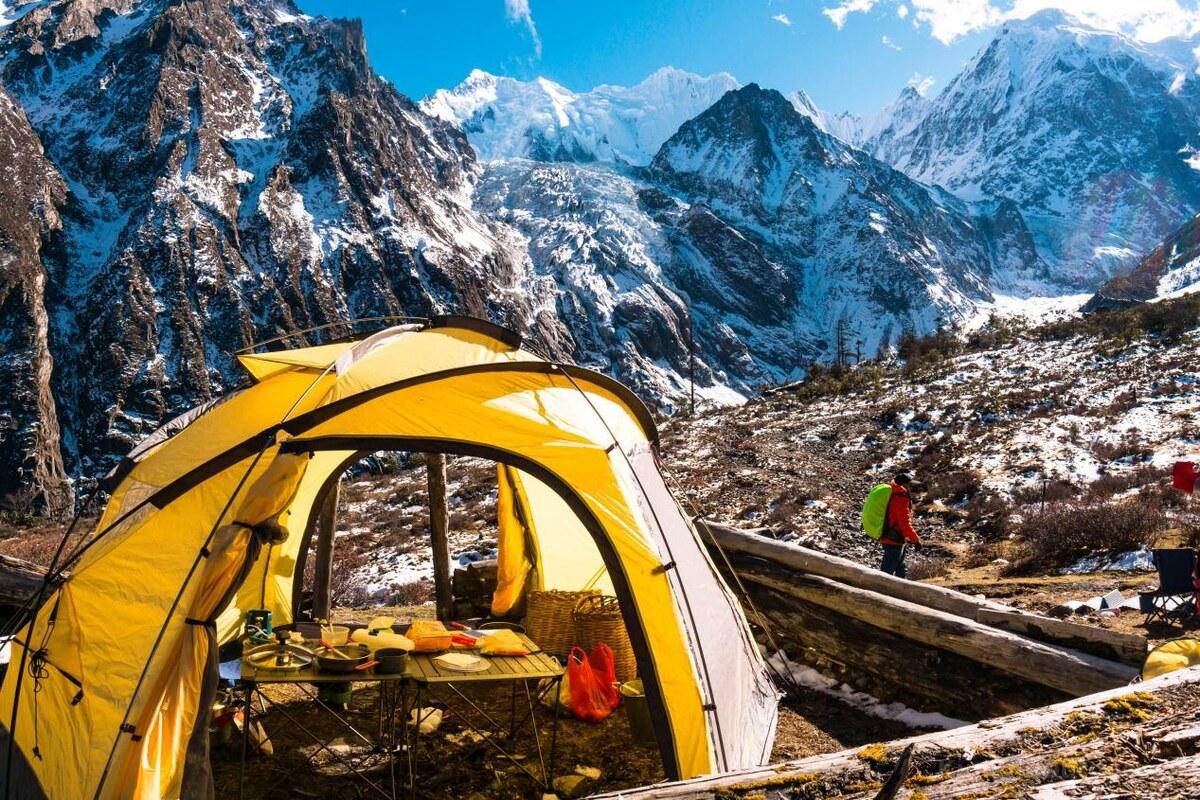
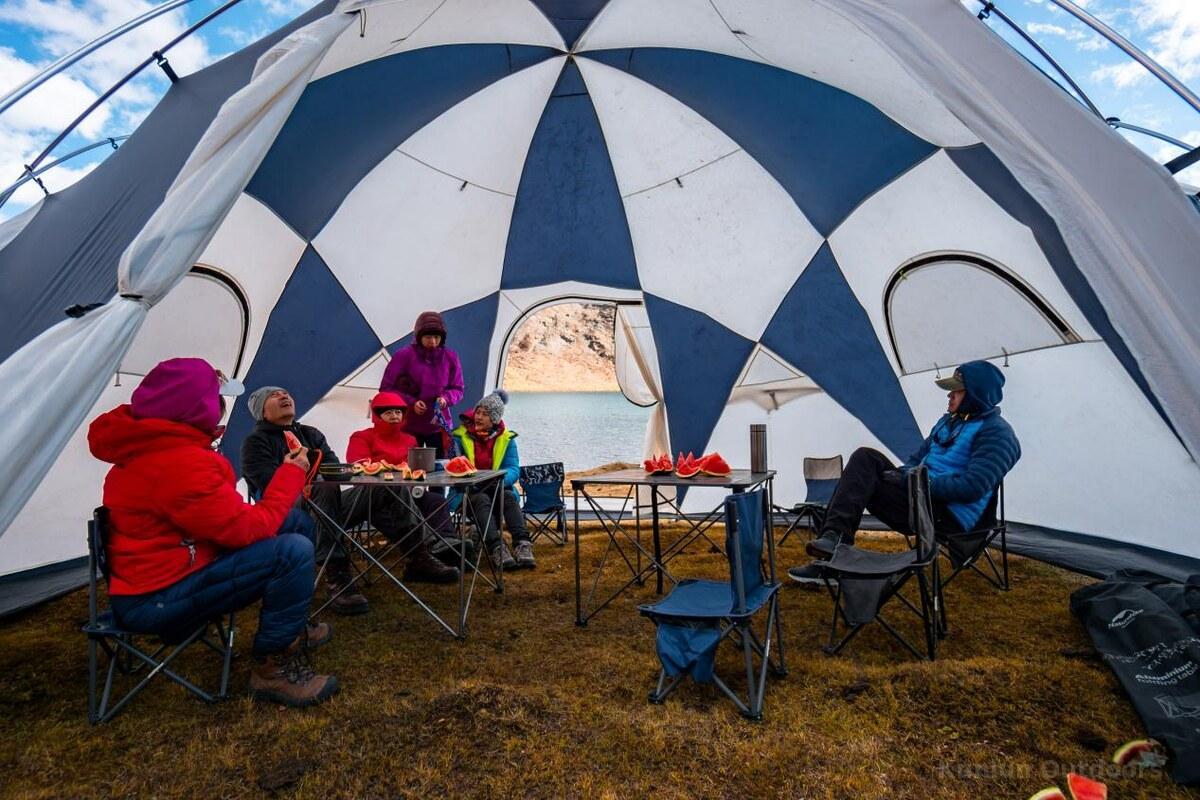
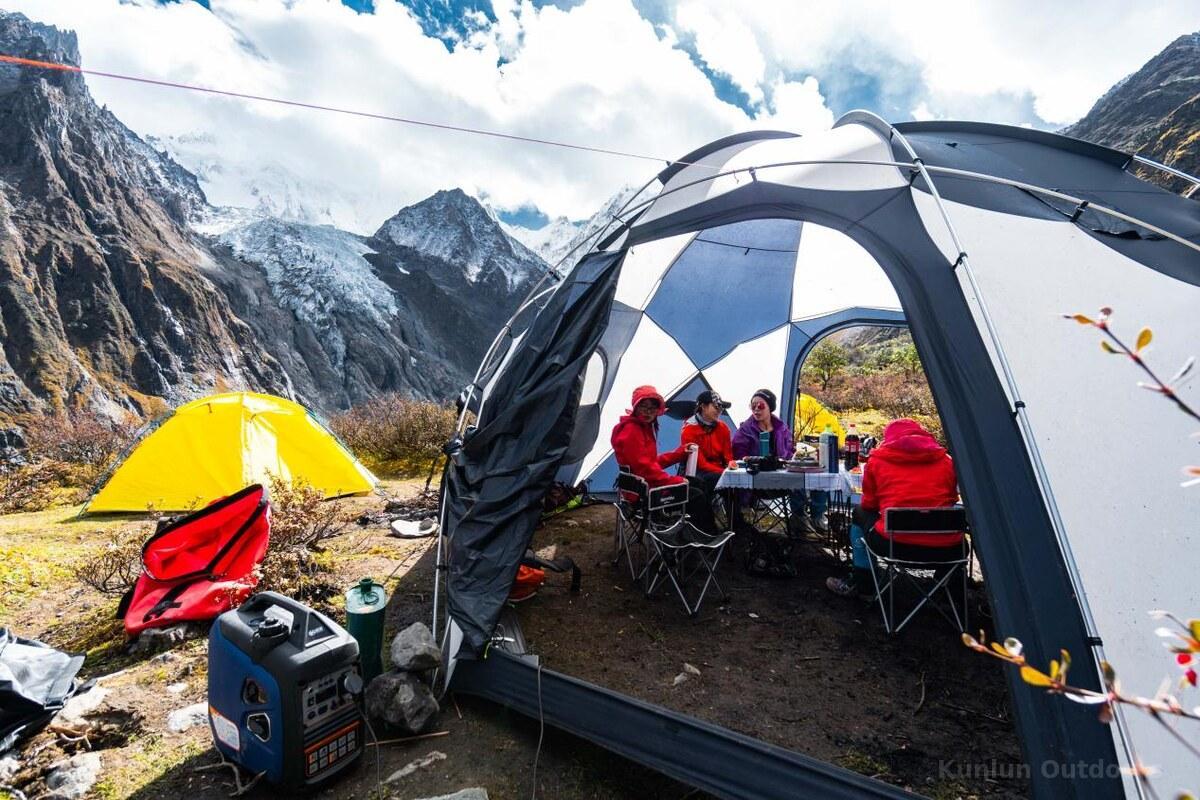
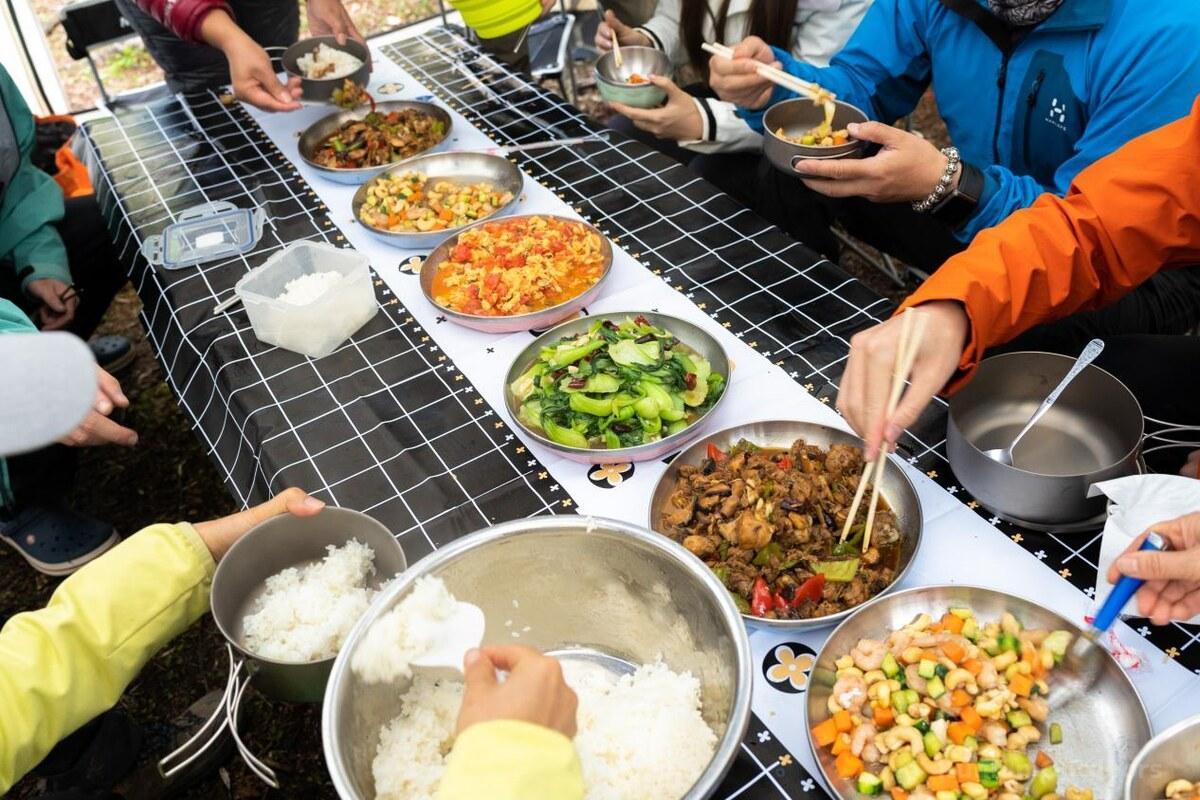
6 Days (3 days trekking)
4,550m (Midutong Pass)
Moderate–Challenging (★★★)
From $980 per person
~30 km
2,100m / 2,000m
4–12 people
June – October
Deep in the folds of the Hengduan Mountains in southwest China’s Yunnan Province, Meili Snow Mountain rises like a colossal pyramid between heaven and earth. While most travelers are drawn to the “Golden Mountain Sunrise” at Feilai Temple or the pastoral charm of Yubeng Village, a more hidden, visually supreme trekking route is quietly becoming a new pilgrimage destination: the Meili South Slope, also known as the “Heart of Kawagarbo” or the “Resong Gonpo Loop.”
Unlike routes that descend into Yubeng, this trail takes a higher, more open path along the southeastern ridges and heart of the sacred massif — walking the flanks of Kawagarbo (6,740m) and his most beautiful companion peak, Goddess Peak (Mianzimu Peak). Rather than merely gazing up at the mountains, trekkers position themselves at the very center of Meili’s icy殿堂, enjoying near-eye-level and even panoramic overhead views of the thirteen peaks. Its landscapes have been described as “rivaling Nepal’s Annapurna Circuit” — one of the world’s top ten classic trekking routes.
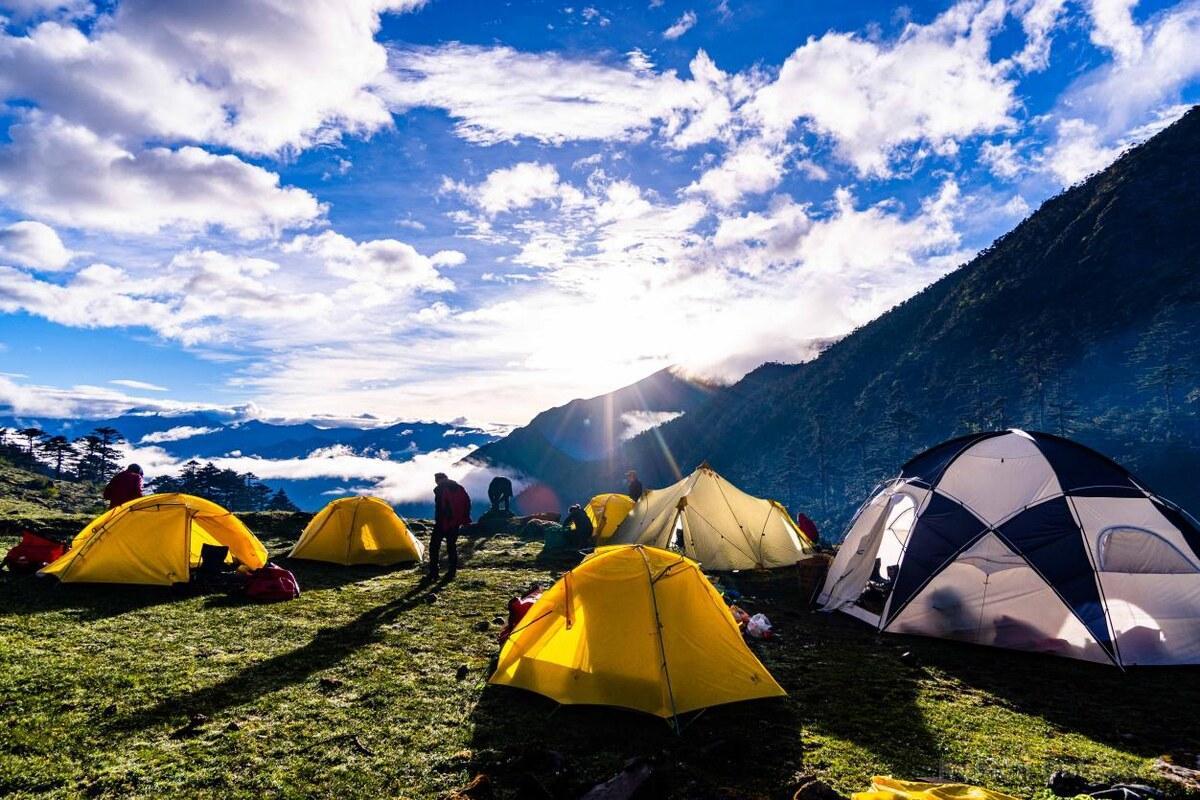
With only three days of actual trekking, this route is accessible to fit hikers with good stamina while still delivering extraordinary mountain scenery. You’ll traverse ancient forests dripping with moss, cross flower-filled alpine meadows where yak herds graze, climb to panoramic ridgelines with eye-level views of 6,000-meter peaks, and camp under star-filled skies with zero light pollution. The legendary Banggeding Camp offers arguably the finest natural viewing platform in all of China for the “Golden Mountain Sunrise” on Kawagarbo.
Altitude: 2,200m → 3,400m | Drive: ~180 km
Arrive in the Meili region and transfer to Feilai Temple, the legendary viewing platform for the “Golden Mountain Sunrise” on Kawagarbo. Settle into the mountain-view hotel and attend the pre-trek briefing. If conditions are right, witness the sacred peaks bathed in golden light at dawn from the hotel terrace.
Altitude: 2,200m → 3,500m | Trekking: ~10 km | Ascent: ~1,300m
Begin the trek from the Lancang River valley, ascending steeply through the dry-hot gorge. Enter the ancient temperate forest zone — towering firs, hemlocks, and alpine oaks draped in old-man’s-beard lichen. The trail climbs steadily through this primeval wonderland. Cross into the rhododendron belt where, in May–June, pink and white blossoms create a spectacular contrast against the emerald forest. Reach your first camp nestled among ancient trees.
Altitude: 3,500m → 4,200m | Trekking: ~10 km | Ascent: ~700m
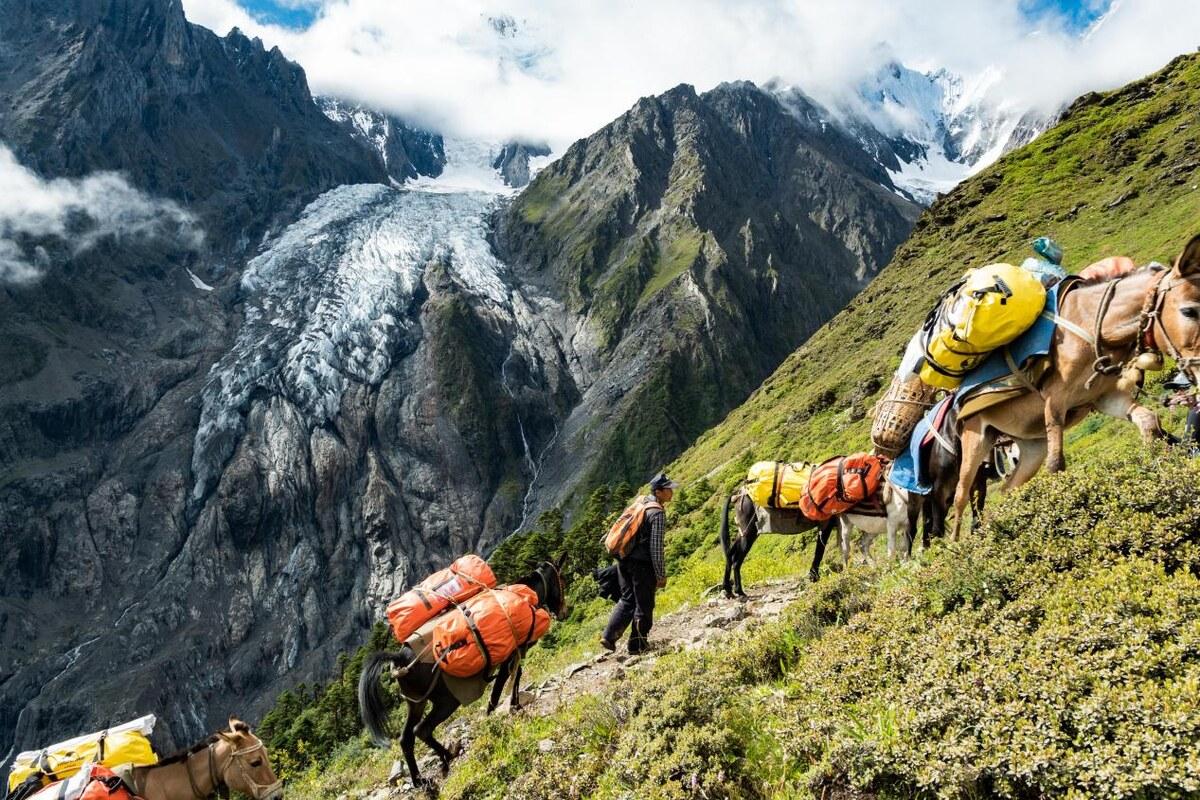
Above the treeline, the world opens dramatically. Cross a series of stunning alpine pastures — Nongnong, Yule, Qiatong — where Tibetan herders have practiced seasonal transhumance for a thousand years. In summer, these meadows blaze with wildflowers; in autumn, they turn gold and rust against the white peaks. The trail follows ancient ridgelines offering ever-expanding views of the Thirteen Peaks. Snow-capped summits appear to be within arm’s reach. Camp on a panoramic ridge with views of Kawagarbo’s south face.
Altitude: 4,000m → 4,300m | Trekking: ~5 km
Short but spectacular trek to Banggeding Camp — hailed as “China’s finest natural viewing platform.” This camp faces directly towards Kawagarbo, offering an unparalleled, front-row perspective for the “Golden Mountain Sunrise.” Wake at dawn to watch the first light paint the 6,740m summit in brilliant gold. The camp also provides views of the entire Thirteen Peaks panorama, the Goddess Peak’s elegant profile, and distant glaciers. An ideal day for photography, rest, and absorbing the grandeur.
Altitude: 4,300m → 4,550m → 3,500m | Trekking: ~8 km | Ascent: 250m / Descent: 1,050m
The summit day of the trek. Ascend through the alpine scree zone to Midutong Pass at 4,550m — the highest point of the route and a moment of triumph. From the pass, enjoy a final sweeping panorama of the Meili massif before beginning the descent through terraced landscapes. The trail drops through alpine meadows back into the forest zone, following ancient paths once used by Tibetan herders and Tea Horse Road traders. Reach the valley camp for a final night under the stars.
Altitude: 3,500m → 2,200m | Trekking/Drive: Short trek + vehicle transfer
A gentle morning walk back to the roadhead, then transfer to Feilai Temple or onward to your next destination. One final opportunity to witness the famous “Golden Mountain Sunrise” if timing allows. The trek concludes with unforgettable memories of the heart of Kawagarbo.
Banggeding Camp is China’s premier natural viewing platform for Kawagarbo’s “Golden Mountain Sunrise” — watch the 6,740m summit ignite in gold at dawn from an unmatched, direct-facing vantage point.
Unlike the仰望 perspective from Yubeng, the South Slope’s ridgelines offer open, eye-level, and even slightly overhead views of all 13 peaks above 6,000m — a truly panoramic experience.
Cross a chain of ancient high-altitude pastures blazing with wildflowers in summer, and trek through primeval forests alive with rhododendron blooms in spring — a vertical ecosystem museum.
With zero light pollution, witness the Milky Way stretching across the sky. On lucky mornings, see a surging sea of clouds rolling through the valleys below, transforming the snow peaks into celestial islands.
Encounter the ancient tradition of seasonal vertical transhumance — Tibetan herders driving yak herds between winter and summer pastures, just as they have for a thousand years. Share butter tea in their black tents.
Every camp offers world-class photography: sunrise on Kawagarbo, Goddess Peak’s elegant silhouette, Five Crown Peak’s distinctive five spires, glaciers, alpine lakes, and the star-filled sky.
September–October is the golden season with clear skies and peak autumn colors. June–August offers wildflowers and lush greenery (but more rain). November–March has the highest chance of seeing the “Golden Mountain Sunrise” but cold conditions at altitude. The route is generally closed from late November to April due to heavy snow.
Good physical fitness and some outdoor experience recommended. The trek involves 3 days of hiking (5–7 hours per day) with a light daypack. The steepest day involves ~1,300m of ascent. No technical skills needed, but the ability to hike at altitude (up to 4,550m) is essential. Prior experience above 3,500m is advantageous.
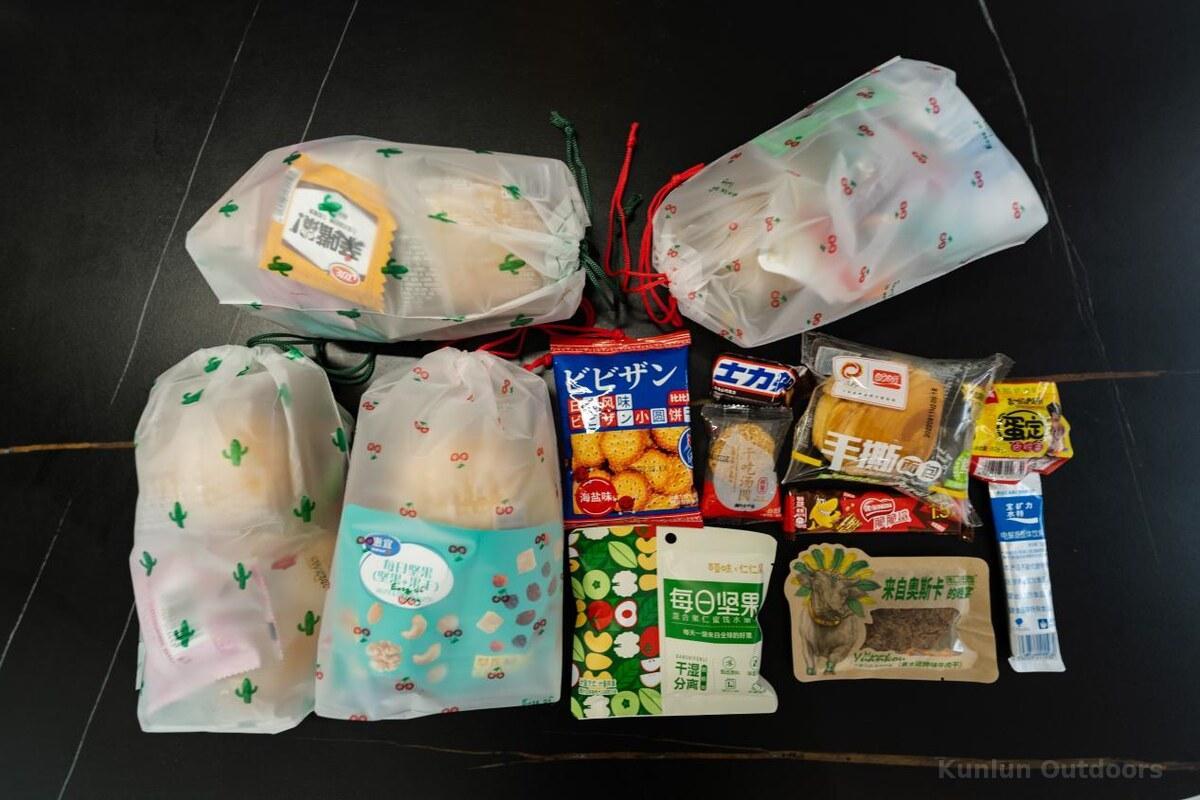
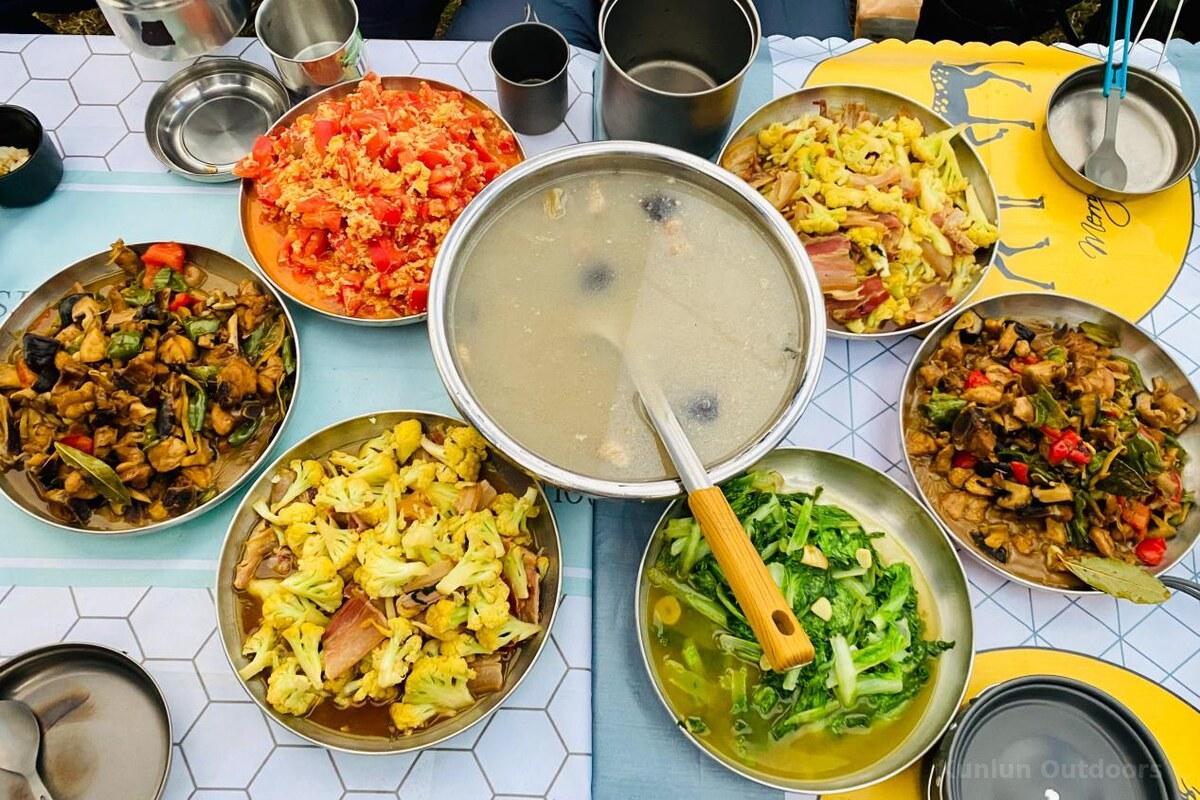
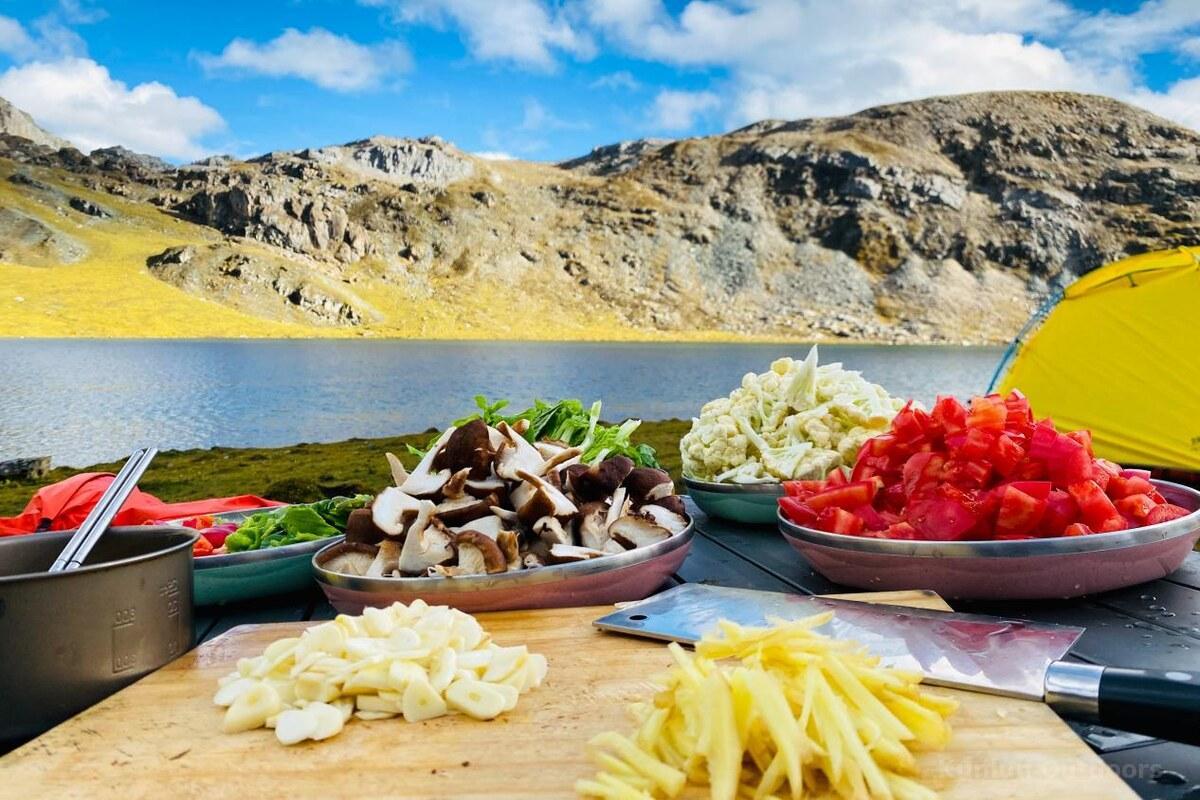
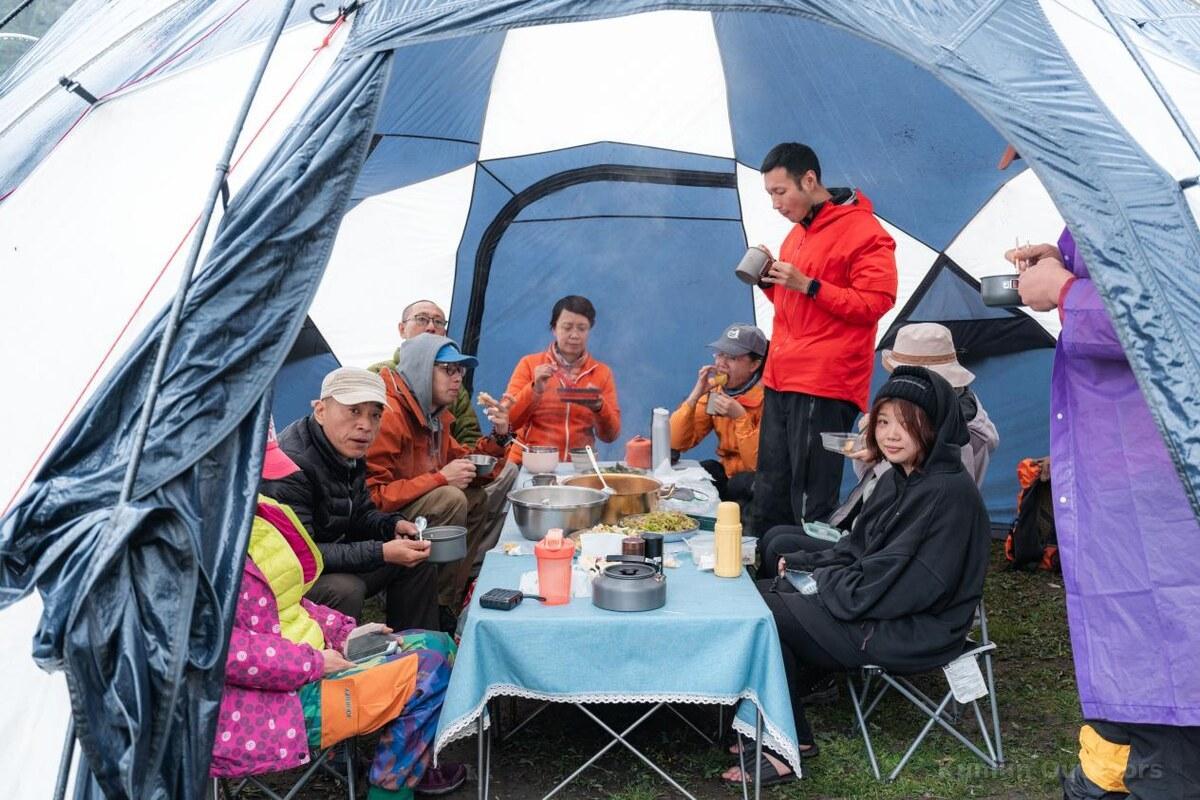
Waterproof hardshell jacket, warm layers (fleece/down), waterproof hiking boots (mid-cut), trekking poles, sun hat, sunglasses, headlamp, insulated water bottle, daypack (25–30L). All camping gear and meals provided.
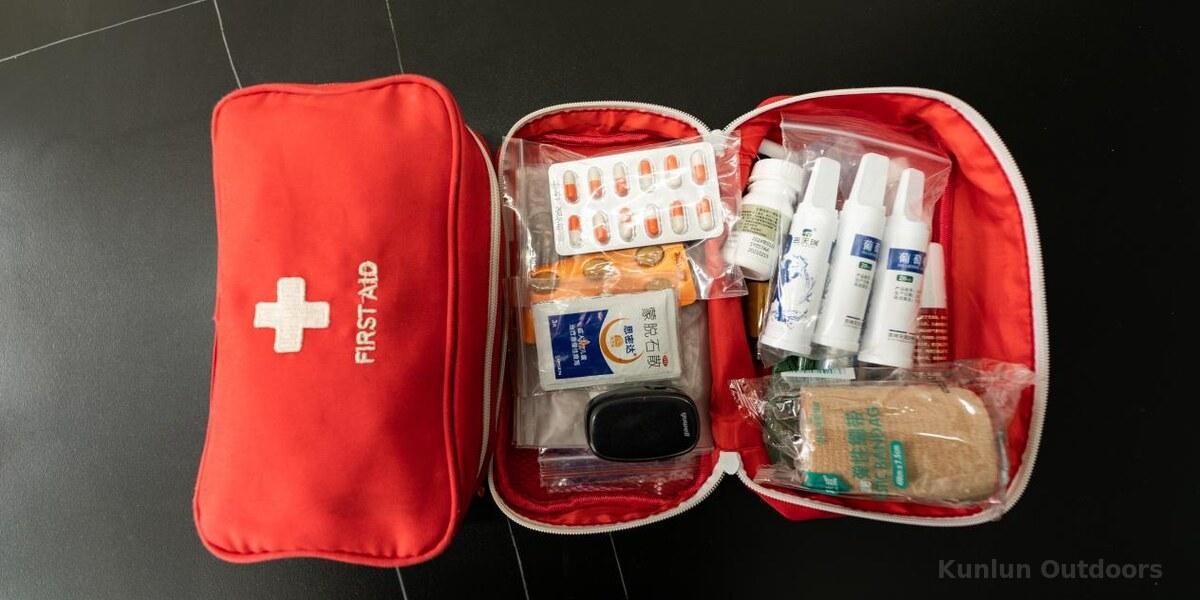
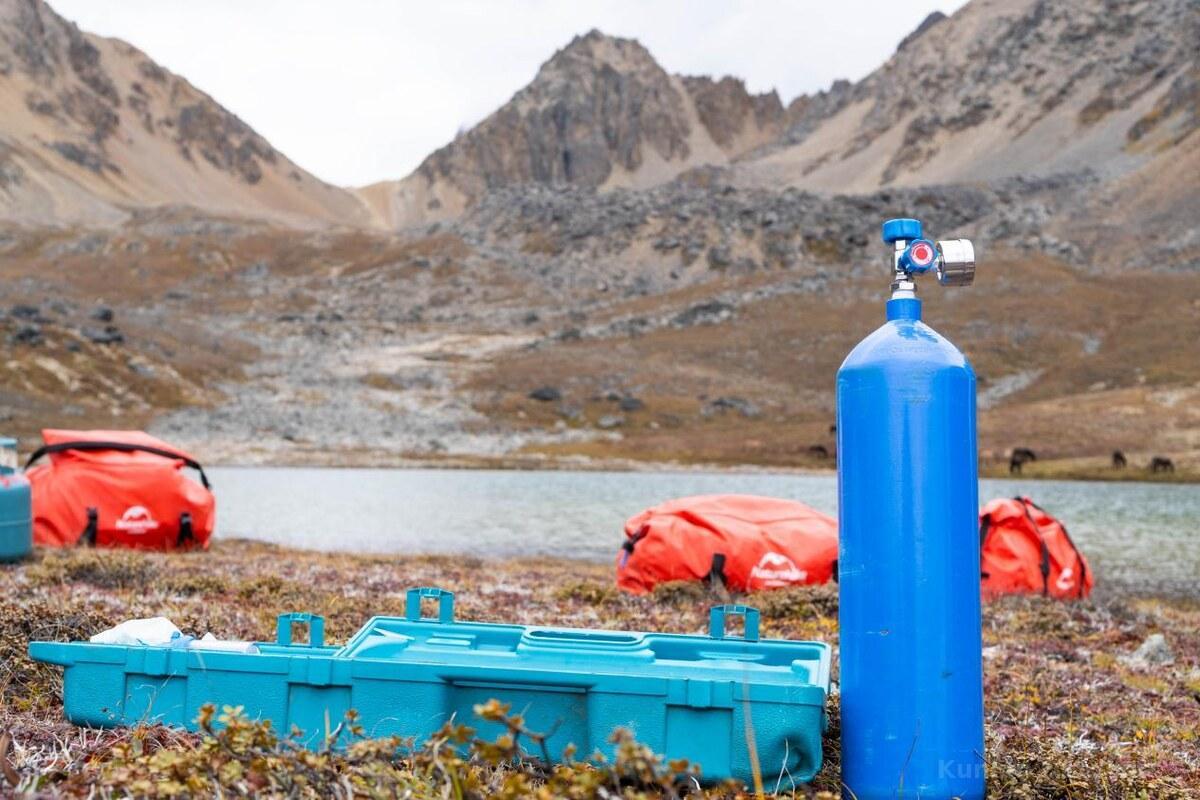
The route ascends from ~2,200m to 4,550m over three days, allowing gradual acclimatization. The guide monitors health daily. Emergency oxygen and first-aid supplies are carried. Symptoms of altitude sickness should be reported immediately.
Kawagarbo is sacred in Tibetan Buddhism and has never been summited. Never point at peaks with your finger, always circle mani piles clockwise, do not step on prayer flags, and accept offerings (butter tea) with both hands. Photography of people requires permission.
The nearest airport is Diqing (Shangri-La), with flights from Kunming. You can also fly into Lijiang and drive to the Meili region (~6 hours). Your guide will coordinate the transfer from the assembly point.
No reviews yet. Be the first to share your experience!